
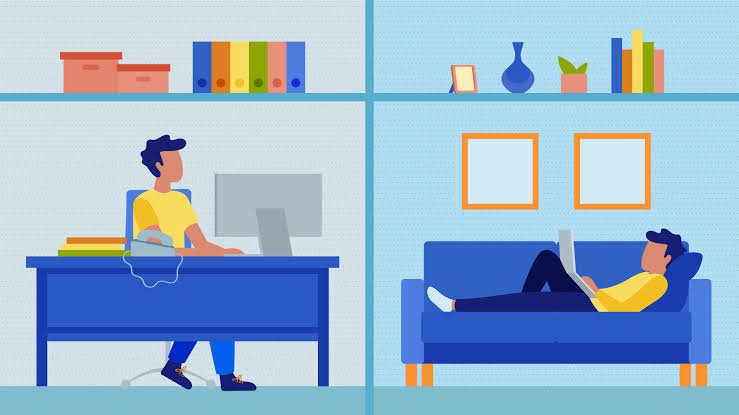
Remote Work vs Office Jobs: Which Is Better in 2026?
The workplace has changed dramatically over the past few years. What began as a temporary solution during global disruptions has evolved into a permanent transformation in how companies hire, manage, and retain talent. In 2026, remote work, hybrid work, and office jobs all play important roles in the global economy.
Today, businesses are no longer asking whether remote work is possible—they are asking how to make it more productive. At the same time, many organizations are encouraging employees to return to offices to improve collaboration, innovation, and company culture.
So, which option in better 2026 : working from home or working in an office? The answer depends on your career goals, industry, lifestyle, and the type of work you perform.
This comprehensive guide explores the advantages, disadvantages, latest workplace trends, and future predictions to help employees and employers make informed decisions.
The Rise of Remote Work
Remote work has become one of the biggest workplace trends worldwide. Companies now recruit talented professionals regardless of location, allowing businesses to access a much larger talent pool.
Popular remote careers include:
- Software Development
- Digital Marketing
- SEO
- Content Writing
- Graphic Design
- Customer Support
- Virtual Assistance
- Accounting
- Online Education
- Data Analysis
Many professionals now enjoy greater flexibility while companies save money on office space and operational expenses.
What Are Office Jobs?
Office jobs require employees to work from a physical workplace where they collaborate directly with colleagues and managers.
Traditional office industries include:
- Banking
- Healthcare Administration
- Government Services
- Manufacturing Management
- Legal Services
- Corporate Sales
- Engineering
- Human Resources
Many organizations believe face-to-face communication strengthens teamwork and improves problem-solving.
Advantages of Remote Work
Better Work-Life Balance
Remote employees often spend more time with family because they avoid long daily commutes.
Benefits include:
- Flexible schedules
- Less commuting stress
- Better family time
- Increased personal productivity
- Lower transportation costs
Lower Living Expenses
Working from home reduces expenses such as:
- Fuel
- Public transportation
- Daily meals
- Office clothing
- Parking fees
These savings can significantly improve personal finances over time.
Access to Global Opportunities
Remote work enables professionals to work for companies located anywhere in the world.
Many freelancers and remote employees now earn international salaries while living in countries with lower living costs.
This has created new opportunities for digital professionals across Asia, Africa, Europe, and South America.
Higher Flexibility
Many remote workers can organize their workday according to peak productivity hours.
Flexible working hours often lead to improved job satisfaction and reduced burnout.
Challenges of Remote Work
Despite its advantages, remote work has several limitations.
Common challenges include:
- Isolation
- Communication delays
- Home distractions
- Internet connectivity issues
- Time-zone differences
- Difficulty separating work from personal life
Without proper discipline, productivity may decrease.
Benefits of Office Jobs
Stronger Team Collaboration
Face-to-face communication often speeds up decision-making and problem-solving.
Employees can quickly discuss projects, brainstorm ideas, and build stronger professional relationships.
Better Career Development
Office employees frequently receive:
- Direct mentoring
- Leadership coaching
- Networking opportunities
- Faster promotions
- Better visibility with management
These factors may support long-term career growth.
Improved Company Culture
Working together helps build trust among colleagues.
Many businesses believe office environments improve employee engagement and teamwork.
Easier Training
New employees often learn faster when experienced coworkers are available nearby to provide guidance.
Disadvantages of Office Jobs
Office work also has drawbacks.
These include:
- Long commuting hours
- Traffic stress
- Higher transportation costs
- Less schedule flexibility
- Increased daily expenses
- Reduced personal time
Employees in large cities may spend several hours commuting each week.
Remote Work vs Office Jobs: Comparison
| Feature | Remote Work | Office Jobs |
| Flexibility | Excellent | Limited |
| Career Networking | Moderate | Excellent |
| Work-Life Balance | High | Moderate |
| Daily Expenses | Lower | Higher |
| Collaboration | Virtual | Face-to-Face |
| Productivity | Depends on discipline | Depends on workplace |
| Commuting | None | Daily |
| Global Opportunities | Excellent | Limited |
The Rise of Hybrid Work
Many companies have adopted a hybrid model that combines remote and office work.
Employees may spend:
- Three days in the office
- Two days working from home
This model aims to balance flexibility with collaboration.
Many experts believe hybrid work will remain one of the most popular workplace models throughout 2026.
How Artificial Intelligence Is Changing the Workplace
Artificial Intelligence (AI) is transforming nearly every industry.
AI now assists with:
- Customer support
- Data analysis
- Content creation
- Software development
- Project management
- Recruitment
- Business automation
Instead of replacing every job, AI is changing job responsibilities and increasing demand for digital skills.
Professionals who continuously learn new technologies will remain highly competitive.
Which Industries Prefer Remote Work?
Remote work is common in:
- Information Technology
- SEO and Digital Marketing
- Writing and Publishing
- Graphic Design
- Finance
- Consulting
- Online Education
- Customer Support
- Data Science
These industries rely primarily on digital communication and cloud-based collaboration tools.
Which Industries Require Office Work?
Office or on-site work remains essential in:
- Healthcare
- Manufacturing
- Construction
- Aviation
- Hospitality
- Retail Management
- Laboratory Research
- Government Administration
These sectors require physical presence for operational or customer-facing tasks.
Salary Comparison
Remote jobs sometimes offer competitive international salaries, particularly in technology and specialized digital roles.
However, office positions may include additional benefits such as:
- Health insurance
- Retirement plans
- Paid training
- Career development programs
- Performance bonuses
Compensation depends more on industry, skills, and employer than on work location alone.
Skills Needed to Succeed in 2026
Whether working remotely or in an office, employers increasingly value:
- Communication
- Problem-solving
- Time management
- AI literacy
- Data analysis
- Digital collaboration
- Adaptability
- Emotional intelligence
- Cybersecurity awareness
Continuous learning remains one of the most important career strategies.
Future Workplace Trends
Experts predict several major workplace trends:
- Increased AI integration
- Growth of hybrid work
- More remote hiring
- Greater emphasis on employee well-being
- Skills-based hiring
- Flexible working hours
- Global talent recruitment
- Expansion of freelance opportunities
Organizations that embrace flexibility and technology are likely to remain more competitive.
Which Option Is Better?
There is no single answer.
Remote work may be ideal for professionals who value flexibility, independence, and global career opportunities.
Office jobs may suit individuals who enjoy teamwork, structured environments, and in-person collaboration.
Hybrid work offers a balance between both, making it an attractive option for many employers and employees in 2026.
Ultimately, the best choice depends on your profession, personal preferences, and career goals.
Frequently Asked Questions
Is remote work still growing in 2026?
Yes. Many companies continue to hire remote employees, especially in technology, digital marketing, finance, and creative industries.
Are office jobs disappearing?
No. Many industries still require employees to work on-site, while others have adopted hybrid models.
Which offers better work-life balance?
Remote work generally provides greater flexibility, though maintaining clear boundaries between work and personal life is important.
Is hybrid work the future?
Many organizations view hybrid work as a long-term strategy because it combines flexibility with face-to-face collaboration.
What skills are most valuable in 2026?
AI literacy, communication, digital collaboration, adaptability, analytical thinking, and continuous learning are among the most sought-after skills.
Final Thoughts
The debate between remote work vs office jobs is no longer about choosing one over the other. In 2026, successful organizations are focusing on flexibility, productivity, and employee well-being rather than enforcing a single working model.
For professionals, the key to long-term success is developing in-demand skills, embracing new technologies, and remaining adaptable in a rapidly evolving job market. Whether you work from home, in an office, or in a hybrid environment, continuous learning and strong communication will remain essential for career growth and future opportunit.Remote Work vs Office Jobs